







Whiteheads vs. Blackheads: What's the Difference and How to Treat Both

Whiteheads and blackheads are both non-inflammatory blemishes: clogged pores without the redness or swelling of a papule or cyst. A sealed pore behaves differently from one that's open to air, and knowing which one you have changes how you treat it.
What Are Whiteheads?
Whiteheads are closed comedones: pores clogged with oil and dead skin cells, sealed shut by a thin layer of skin. The trapped debris shows through as a small, firm bump with a white or pale yellow top.
Acne, including whiteheads, affects as many as 50 million Americans every year, according to the American Academy of Dermatology. Left untreated, a whitehead can progress into a more inflamed papule or pustule.
What Are Blackheads?
Blackheads form the same way, minus one detail: the pore stays open, exposing the trapped oil and dead skin cells to air. That exposure is what turns the plug black. The color comes from oxidized melanin and sebum reacting with oxygen, the same chemistry that browns a cut apple, not from trapped dirt. Scrubbing to "clean out" a blackhead won't clear it, since the debris sits inside the follicle.
Key Differences at a Glance
-
Pore: Whiteheads are sealed shut; blackheads stay open to air.
-
Color: Whiteheads are white or pale yellow; blackheads are black or dark brown.
-
Feel: Whiteheads sit firm above the skin; blackheads are flatter and usually not tender.
-
Where they show up: Whiteheads favor the chin, jawline, and forehead; blackheads favor the nose, chin, chest, and back.
-
Treatment speed: Blackheads tend to respond faster since the pore is already open.
What Causes Whiteheads and Blackheads
Both start in the pilosebaceous unit, the hair follicle and oil gland pair found across most of the skin. A few things drive the clog:
-
Excess sebum production, the starting point for nearly every clogged pore.
-
Hormonal changes, like puberty or the menstrual cycle, that increase androgen activity or the skin's sensitivity to androgens.
-
Cutibacterium acnes (formerly Propionibacterium acnes), a bacterium that can multiply inside a clogged, oxygen-poor pore.
-
Abnormal keratinization, where dead skin cells build up inside the follicle instead of shedding evenly.
-
Comedogenic products, including heavy oils, thick makeup, and hair products.
How to Prevent and Treat Them
Wash your face twice daily with a gentle cleanser, exfoliate a few times a week rather than daily, and choose non-comedogenic products. Skip harsh physical scrubs, which irritate skin without clearing the clog.
Salicylic acid is one of the most useful treatment ingredients. It helps loosen accumulated dead skin cells inside the pore; give it two to four weeks to work. For deeper, more stubborn breakouts, Deep Relief Acne Treatment is a spot treatment with a higher, 2% concentration. Benzoyl peroxide reduces acne-associated bacteria, retinoids (over-the-counter adapalene or prescription tretinoin) speed up cell turnover, and azelaic acid clears pores while calming redness. Biome-Balancing Clear & Prevent Acne Treatment Serum combines salicylic acid with Biome-Sensing Tech to treat breakouts while supporting a more balanced skin microbiome over time.
Build a Simple Routine
In the morning, cleanse, then follow with a hydrating, brightening moisturizer. Essential-C Firming Radiance Day Cream pairs vitamin C with ceramides to help fade marks left behind by healed blemishes. It increased hydration by 231% in 24 hours in clinical testing and suits balanced, oily, combination, and dry skin. Finish with SPF.
At night, cleanse, then apply a salicylic acid or retinoid treatment, introduced gradually at two to three nights a week.
When to See a Dermatologist
Most whiteheads and blackheads respond to a consistent routine within six to eight weeks. See a dermatologist if breakouts are painful, are leaving marks or scars, or haven't improved after two months.
FAQs
Q: Are blackheads a sign of dirty skin?
A: No. They form from oxidized oil and dead skin cells inside the follicle, not surface dirt. Scrubbing to clear them out can irritate skin without addressing the clog.
Q: Can a whitehead turn into a blackhead?
A: Yes, if the pore's opening widens and exposes the trapped material to air.
Q: Should I pop a whitehead or blackhead?
A: Dermatologists advise against it. Picking or squeezing can push bacteria deeper into the pore and raise the risk of scarring or dark marks.
Q: Do pore strips get rid of blackheads for good?
A: No. They remove surface debris temporarily but don't stop the pore from producing oil, so blackheads tend to come back within days.
The views expressed in this article do not necessarily represent the views of Murad, and are for informational purposes only, even if the advice of physicians and medical practitioners are included. This article is not a substitute for professional medical advice, diagnosis or treatment, and should not be considered specific medical advice.
Shop This Article
-
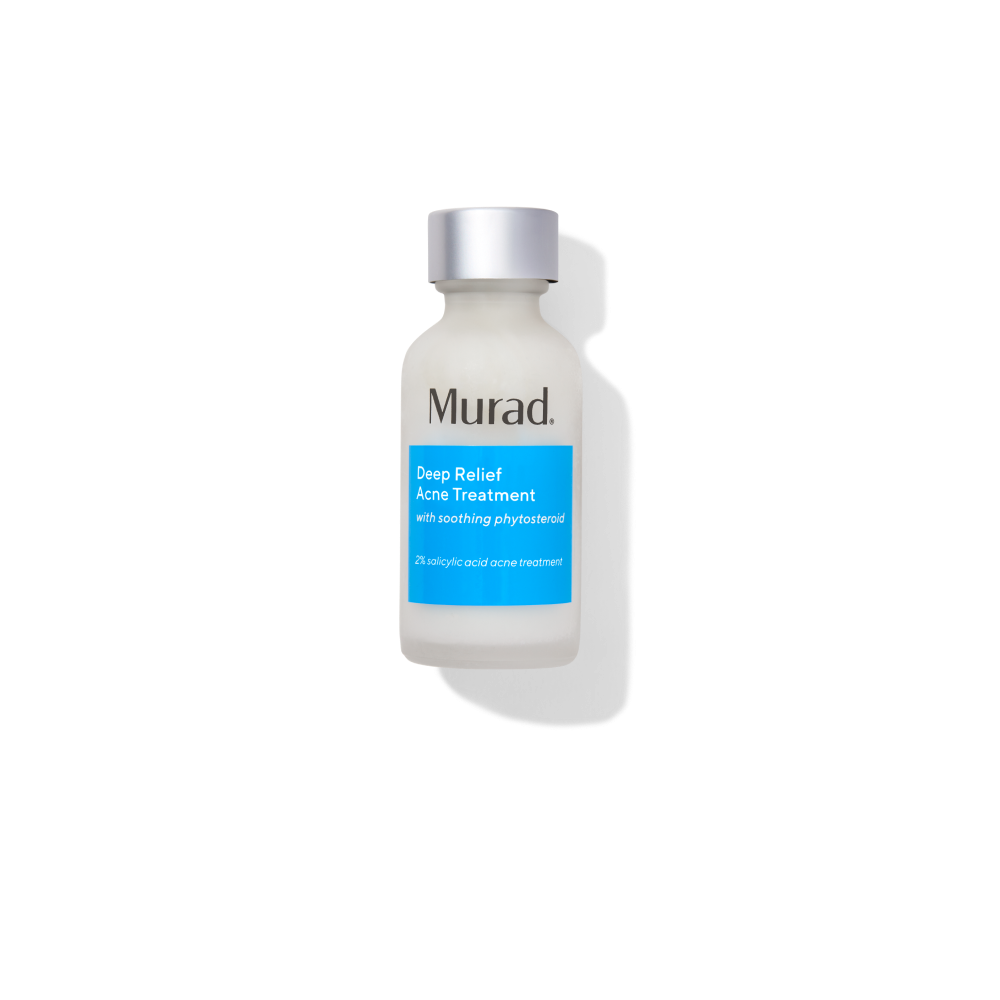
Deep Relief Acne Treatment
Powerful phytosteroid treatment heals deep, uncomfortable acne—without the side effects of steroid shots or prescription pills.
$48.00 | 1.0 FL. OZ. -
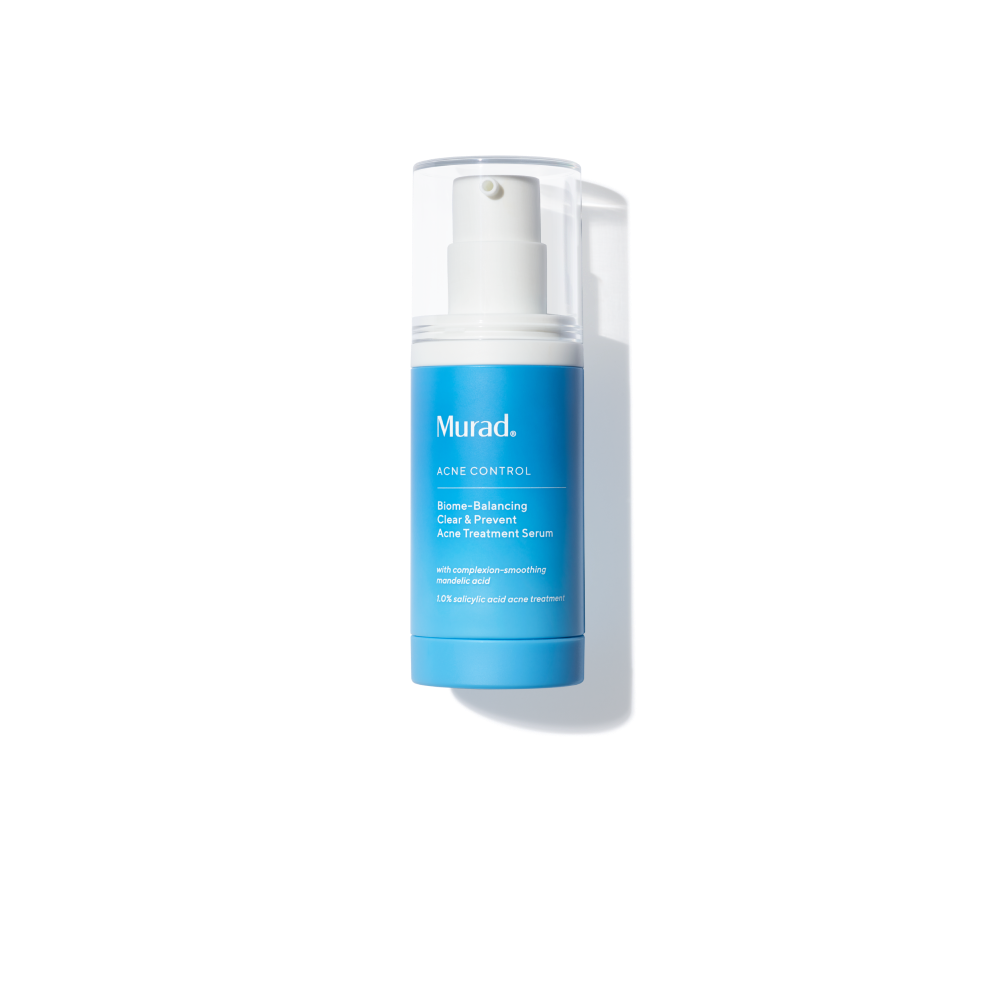
Biome-Balancing Clear & Prevent Acne Treatment Serum
Clears all types of breakouts—from whiteheads to hormonal—and prevent acne relapses with this breakthrough serum. Salicylic acid clears, mandelic acid smooths and evens tone, and Biome-Sensing Tech + glutamic acid empower your microbiome to generate what it needs to thrive for balanced, healthier-looking skin.
$48.00 | 1.0 FL. OZ. -
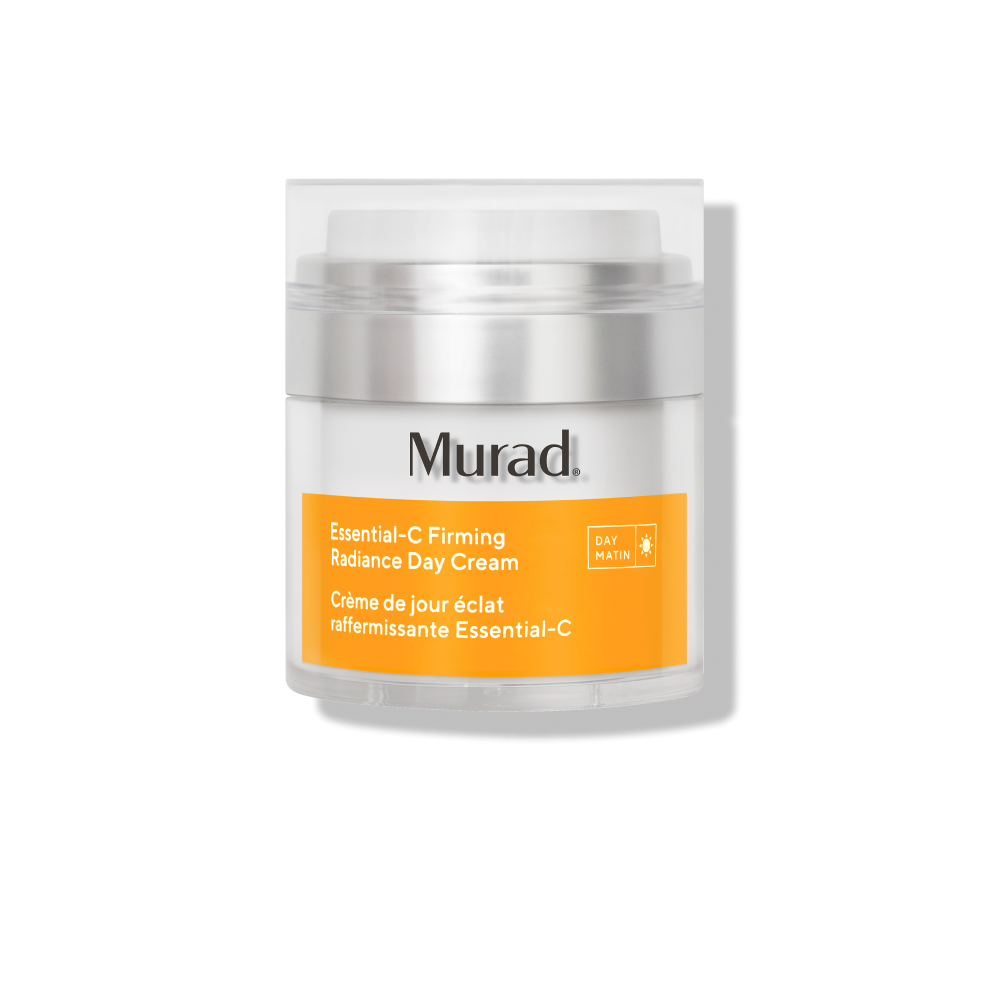
Essential-C Firming Radiance Day Cream
Clinically proven to immediately hydrate and nourish, while brightening skin in 4 weeks
$93.00 | 1.7 FL. OZ.


