

















Vitamin C Myths Debunked: What Actually Works

Vitamin C shows up in more skincare products than almost any other ingredient, and with that popularity comes a long list of claims that don't hold up. Some myths come from outdated formulas. Others come from marketing that oversimplifies the chemistry. Here's what's actually true about vitamin C, and what to skip.
Myth: All Vitamin C Serums Work the Same Way
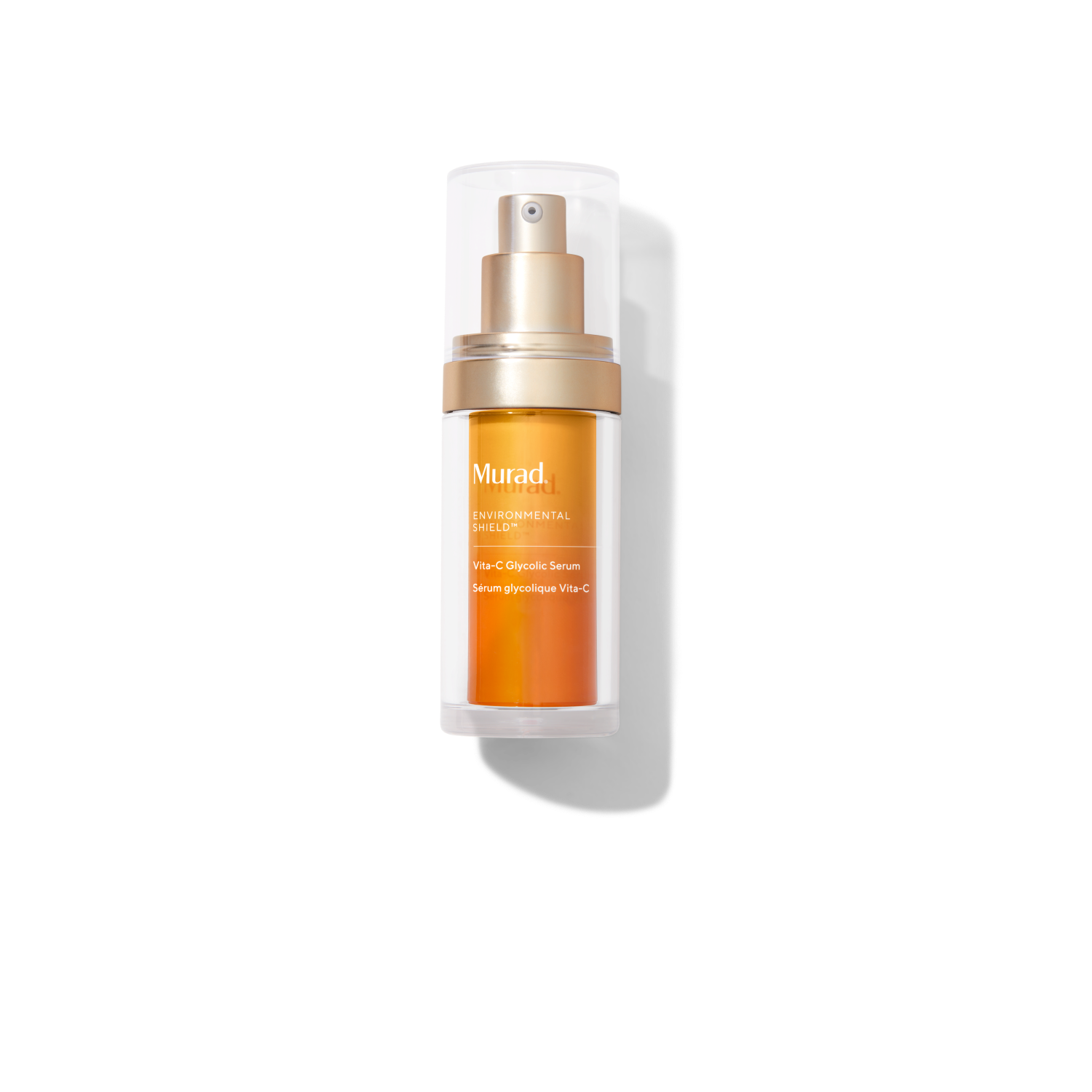
Vitamin C in skincare comes in several forms, including L-ascorbic acid, sodium ascorbyl phosphate, and tetrahexyldecyl ascorbate (THD), an oil-soluble derivative. Each has unique properties that influence its stability, skin penetration, and effectiveness. L-ascorbic acid is the most extensively studied form, but it can be unstable and prone to oxidation when exposed to light and air. Oil-soluble derivatives like THD offer greater formulation stability and different delivery characteristics. Ultimately, it's not just about the type or concentration of vitamin C, but how it's formulated and delivered into the skin to achieve optimal results. Dr. Howard Murad, board-certified dermatologist, pharmacist, and founder of Murad Skincare, has pointed out that most forms of vitamin C have a short shelf life, lose potency, or are hard for skin to absorb. That's why Murad stabilizes its vitamin C with gold: pairing gold molecules with vitamin C protects the ingredient until it's absorbed, delivering 55% higher antioxidant power and better bioavailability than traditional vitamin C. Look for that technology when you shop Murad's vitamin C formulas.
Myth: A Higher Percentage Always Means Better Results
A 20% vitamin C serum isn't automatically more effective than a 10% one. Above a certain concentration, skin can't absorb any more of the ingredient, and the excess just sits on the surface or increases the odds of irritation. Formulation matters more than the number on the label: stability, pH, and delivery system all affect how much vitamin C actually reaches living skin cells.
Myth: A Serum That's Changed Color Still Works Fine
If a vitamin C serum has turned yellow, orange, or brown, that color change is oxidation, and it means the active ingredient has broken down. An oxidized serum won't deliver the antioxidant protection it's formulated for, and in some cases the oxidized byproducts can irritate skin. This is exactly why stabilization matters. A properly stabilized formula resists that breakdown for longer, so the product on day 60 still performs the way it did on day one.
Myth: Vitamin C and SPF Do the Same Job, So You Only Need One
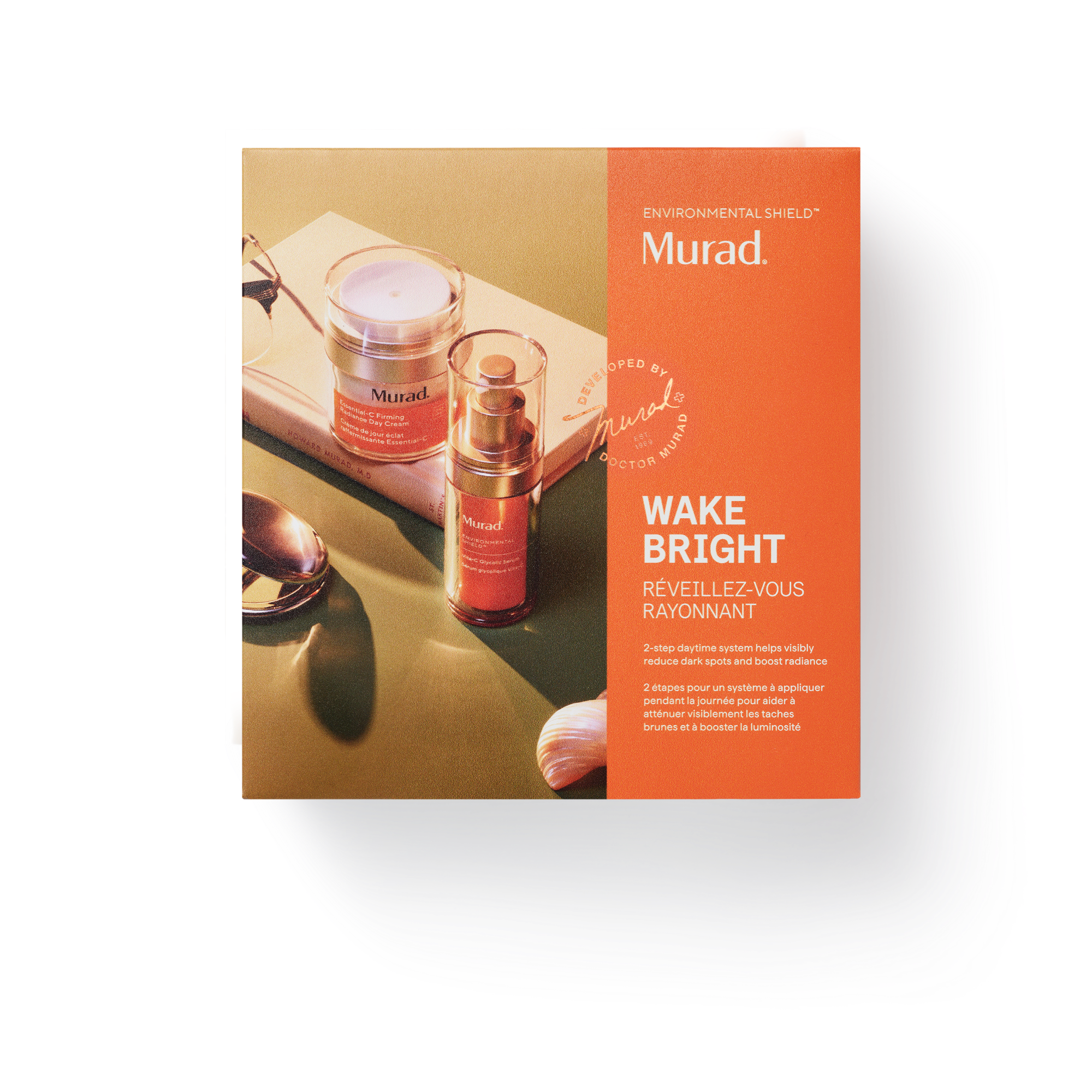
Vitamin C and sunscreen work synergistically to provide complementary protection against environmental damage. Broad-spectrum sunscreen is your first line of defense, helping protect skin from harmful UVA and UVB radiation, while vitamin C provides additional antioxidant support by neutralizing free radicals generated by UV exposure and pollution. Although sunscreen significantly reduces UV exposure, it cannot prevent all oxidative stress. Incorporating a well-formulated vitamin C serum alongside daily SPF helps strengthen the skin’s antioxidant defenses, supporting healthier, more resilient skin and helping minimize visible signs of premature aging. Essential-C Firming Radiance Day Cream pairs vitamin C with ceramides and increased hydration by 231% within 24 hours in clinical testing, but it still isn't a substitute for a dedicated SPF layered on top.
Myth: Eating Vitamin C-Rich Foods Works as Well as a Topical Serum
Vitamin C is an essential water-soluble antioxidant that helps protect skin against free radical damage caused by UV exposure and pollution. It also plays a critical role in collagen synthesis, supporting skin firmness, strength, and resilience. Both dietary and topical vitamin C are important for optimal skin health. Consuming vitamin C supports collagen production and skin health from within, while topical application delivers targeted antioxidant benefits to help brighten skin, improve uneven tone, and defend against environmental damage. Together, they provide a comprehensive inside-out approach to healthier, more radiant skin.
Myth: Vitamin C Is Too Harsh for Sensitive Skin
Some vitamin C formulations, particularly those containing L-ascorbic acid at a low pH, can cause temporary stinging or irritation, especially in sensitive or compromised skin. However, not all vitamin C products are created equal. Advances in formulation technology, along with alternative vitamin C derivatives such as THD, offer options that may be better tolerated while still delivering antioxidant and skin-brightening benefits. Ultimately, tolerability depends on the overall formulation, concentration, and individual skin sensitivity. For those new to vitamin C or with sensitive skin, introduce it gradually, starting with a few applications per week and increasing frequency as tolerated. Apply it after cleansing with a gentle facial cleanser, and watch how skin responds over the first two weeks before using it daily.
Vitamin C remains one of the most extensively researched and clinically supported ingredients in skincare, with proven antioxidant, brightening, and collagen-supporting benefits. However, its effectiveness depends on the form of vitamin C, formulation stability, concentration, and delivery system. When incorporated into a consistent skincare routine alongside daily sunscreen, vitamin C is a valuable ingredient for supporting healthier, brighter, and more resilient skin.
The views expressed in this article do not necessarily represent the views of Murad, and are for informational purposes only, even if the advice of physicians and medical practitioners are included. This article is not a substitute for professional medical advice, diagnosis or treatment, and should not be considered specific medical advice.
Shop This Article
-
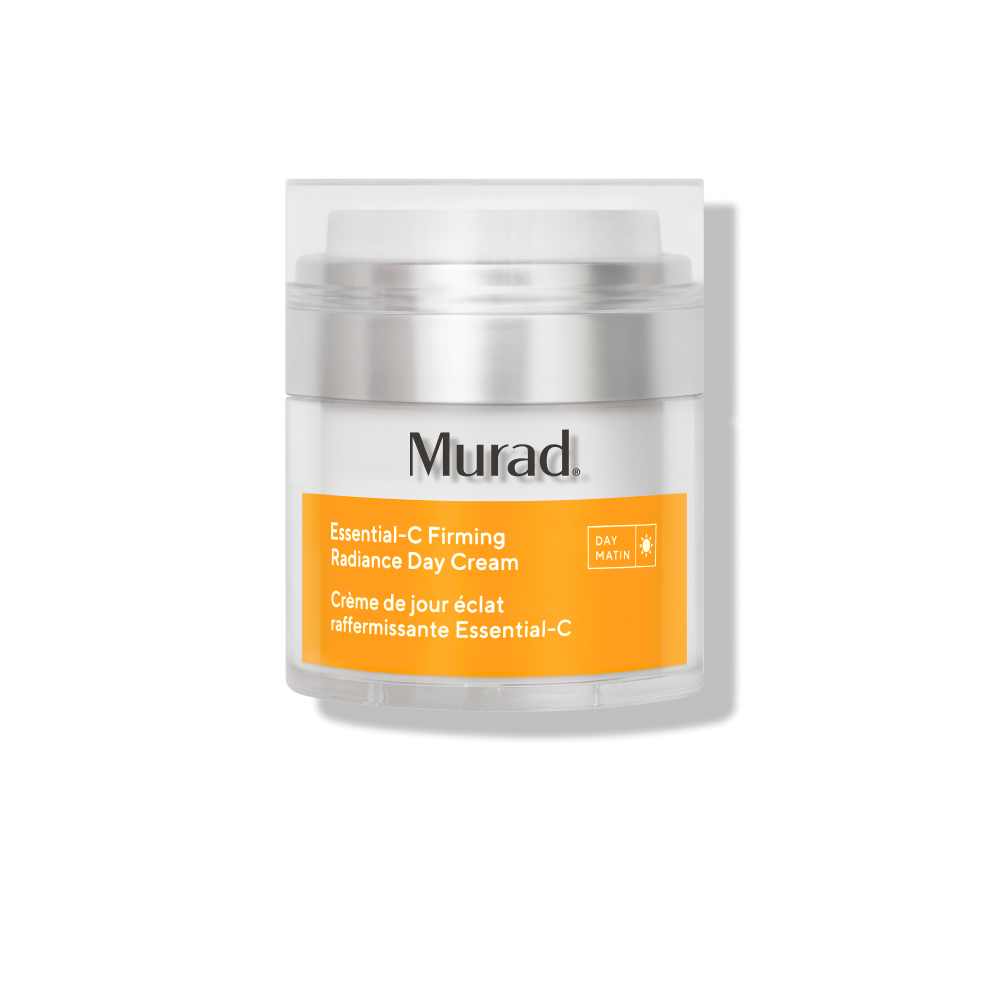
Essential-C Firming Radiance Day Cream
Clinically proven to immediately hydrate and nourish, while brightening skin in 4 weeks
$93.00 | 1.7 FL. OZ.


