








Hype or holy grail, part 3: 6 reminders why you need glycolic acid, plus the best ingredients to pair it with
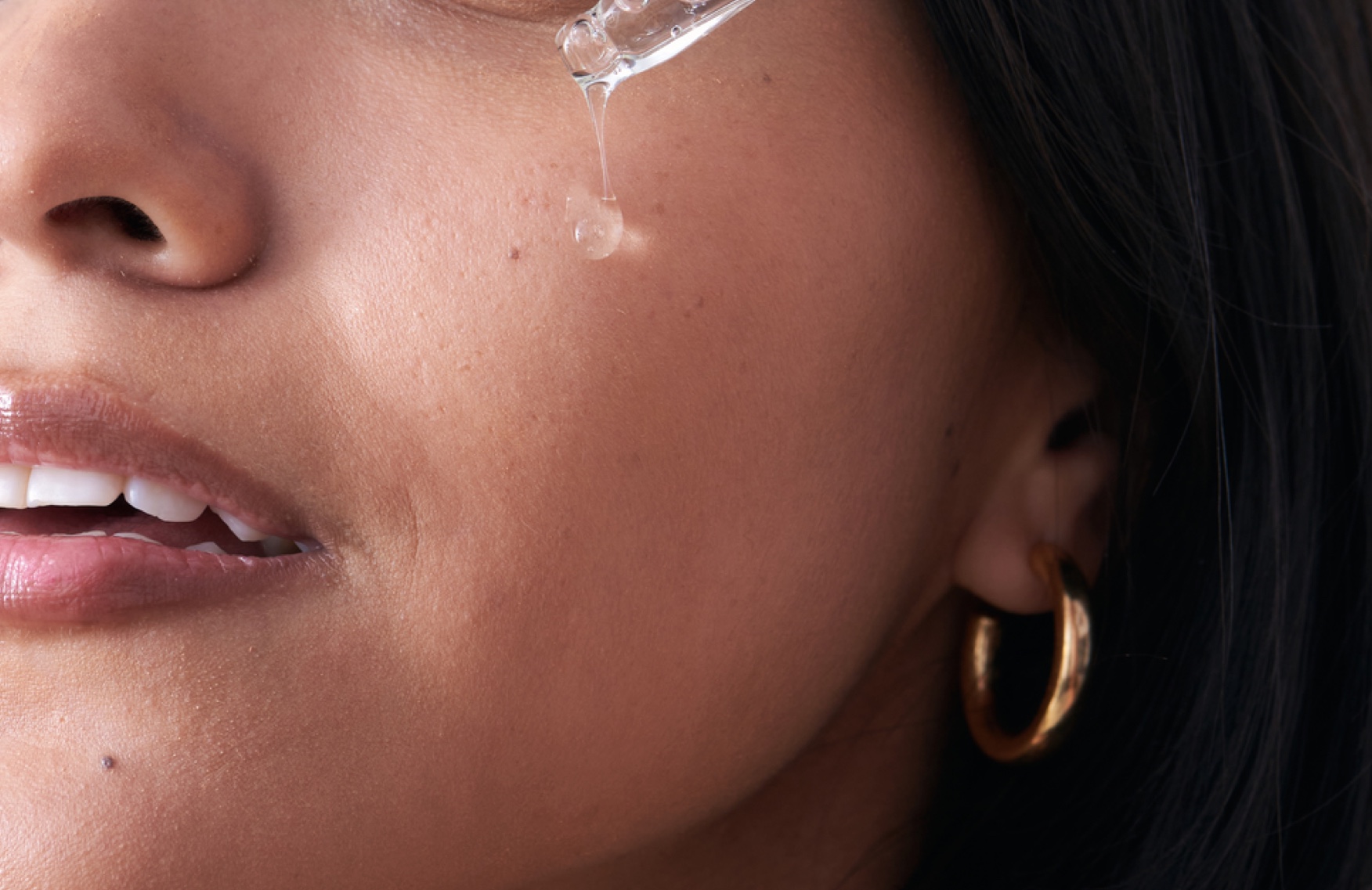
Exfoliate. Renew. Smooth. Improve. Those aren’t just words: they’re proven benefits of skincare exfoliating superstar glycolic acid. Dermatologists and skincare pros alike say that glycolic acid is in the same class as retinoids because it can literally change your skin. Are they right—and if so, can it work on your skincare routine? Keep reading as we discuss the top glycolic acid benefits you don’t want to miss.
First, let’s address the basics
Glycolic acid is an alpha hydroxy acid (AHA), a naturally occurring chemical exfoliant that helps break down dirt and grime on the surface of your skin. Glycolic acid extracts its acidic qualities from sugarcane or sugar beets. This exfoliating skincare ingredient can penetrate deep into your skin's pores and has been shown to help improve skin texture, smooth fine lines, improve skin tone, minimize hyperpigmentation and encourage cell turnover.
How does glycolic acid work?
While you may be familiar with physical exfoliants with bumpy jojoba beads that you can feel, AHAs are invisible and undetectable to the touch. Glycolic acid breaks down the bonds of dead skin cells to loosen the “glue” holding together dead skin cells and dirt so they can be sloughed off and reveal newer, brighter skin underneath.
What can glycolic acid do for your skin?
If used correctly, glycolic acid benefits your skin through exfoliating, brightening and moisturizing to support healthy skin.
How does glycolic acid work with other skincare ingredients?
Glycolic acid’s exfoliating properties clear the way for deeper penetration of other skincare ingredients. But use caution when cocktailing, layering or mixing glycolic acid on your own; rather, invest in your skin’s health with a skincare product that perfectly blends glycolic with other ingredients.
- Tranexamic acid: In combination, glycolic acid and tranexamic acid have been shown to help fight hyperpigmentation
- Malic acid: This AHA can assist in moisture retention and reducing dark spots
- Lactic acid: This AHA can help reduce skin pigmentation and improve moisture
- Hyaluronic acid: A natural humectant, hyaluronic acid hydrates and helps skin hold more moisture
- Vitamin C: This antioxidant may help firm skin and reduce sun damage
The views expressed in this article do not necessarily represent the views of Murad, and are for informational purposes only, even if the advice of physicians and medical practitioners are included. This article is not a substitute for professional medical advice, diagnosis or treatment, and should not be considered specific medical advice.
Resources for this information:
Molecules, 2018, volume 23, issue 4
Center for Surgical Dermatology & Dermatology Associates Website, News
Journal of Dermatological Science, 2001, volume 27, issue 1, pages 53-59
Journal of Cosmetic Dermatology, 2021, volume 20, issue 3, pages 776-780
Cogent Medicine, 2018, volume 5
Dermatologic Therapy, 2021, volume 34, issue 6
Molecules, 2018, volume 23, issue 4
More about skincare cocktailing and layering skincare ingredients here:
Hype or holy grail, part 1: Why is tranexamic acid trending for brighter skin?
Hype or holy grail, part 3: Six reminders why you need glycolic acid, plus the best ingredients to pair it with
"


