










Ingestible skincare ingredient: Grapeseed oil—the only ingredient you need on your supplement shelf for radiant, even skin?
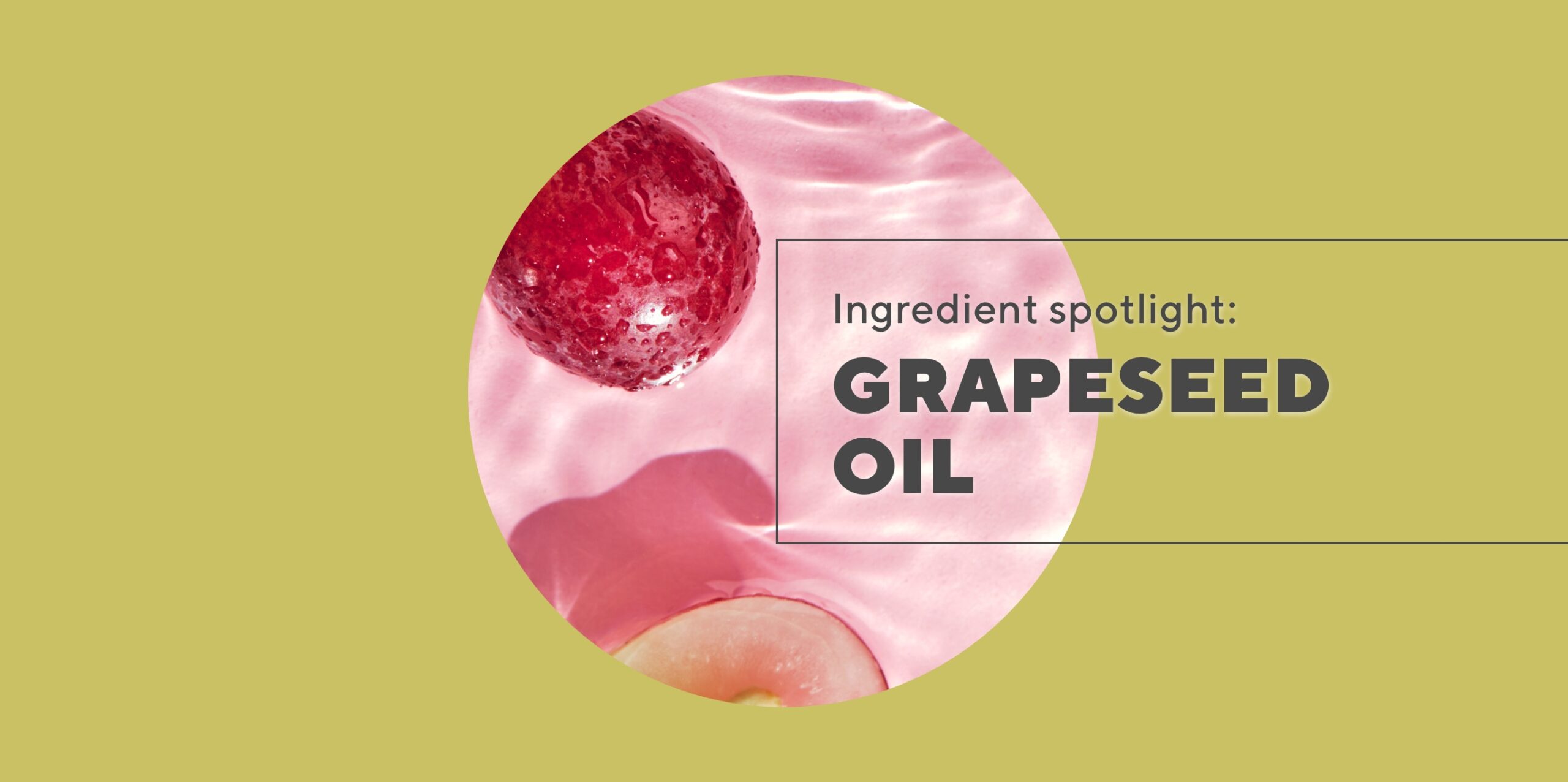
Humans have long used grapes to tap into the very best life has to offer, from relishing vitamin-rich dolmas swaddled in grape leaves to using their skins to make Dionysus’ favorite libation (red wine). But if there’s one part of the grape whose impact far exceeds its size, it’s the grape seed.
Grapeseed oil is an extract made from this part of the grape. Loaded with nutrients, healthy fats and impressive antioxidant properties, grapeseed oil may be one of nature’s best-kept secrets for achieving skin that glows from the inside out. Here, we explore how grapeseed oil can help you land brighter, smoother-looking skin.
What is grapeseed oil?
Grapeseed oil is a plant extract made by compressing the oil housed in the seeds of grapes.
Each tiny grape seed is composed of approximately 8 to 20% oil. The precise nutritional constituents differ between grape varietals, extraction method and environmental factors. Nevertheless, every grape seed is loaded with a potent roster of bioactive ingredients that work in tandem to produce a made-for-skin cocktail to combat skin concerns like hyperpigmentation and dull-looking skin:
- Vitamin E: Grapeseed oil is a veritable reservoir of vitamin E, containing up to 53 mg per 100 grams of oil. This antioxidant helps prevent sun damage, boost hydration and reduce inflammation in the skin.
- Fatty acids: Grapeseed oil is a potent source of unsaturated fatty acids, which your body relies on to enable vitamin absorption. Grapeseed oil is particularly rich in polyunsaturated fatty acids (PUFA), which can help improve skin appearance and function. Most grapeseed oil contains between 85 and 90% PUFA.
- Phenolic compounds: Found in many fruits and vegetables and one of nature’s most powerful antioxidants, grape seeds are chock full of phenolic compounds. And, they have even more of an antioxidative punch than grape skins, grape flesh and wine.
4 benefits of grapeseed oil for skin
Grapeseed oil has the potential to touch nearly every system of our body, but it may have the most visible impact on our skin.
The views expressed in this article do not necessarily represent the views of Murad, and are for informational purposes only, even if the advice of physicians and medical practitioners are included. This article is not a substitute for professional medical advice, diagnosis or treatment, and should not be considered specific medical advice.
References for this information:
Nutrition and Metabolic Insights, 2016, volume 9, pages 59-64
Oregon State University Website, Micronutrient Information Center
Journal of Cosmetic Science, 2006, volume 57, issue 6, pages 465-473
Cleveland Clinic Website, Nutrition
Phytotherapy Research, 2014, volume 18, issue 11, pages 895-899
Molecules, 2020, volume 25, issue 22
wellconnected.murad.com/wp-admin/post.php?post=4937&action=edit(opens in a new tab)
More about ingredients as ingestibles here:
Ingestible skincare ingredient: Glutathione—is it a shady skin lightener or misunderstood skincare superstar for hyperpigmentation and fine lines?
Ingestible skincare ingredient: Phytoceramides—are they a 'facelift in a bottle' and the secret to radiant, firmer skin from the inside out?
Ingestible skincare ingredient: Vitamin A—the top 4 reasons why it's a skin-saving superpower
Ingestible skincare ingredient: Vitamin E—from being the ultimate antioxidant to protecting against inflammation
Ingestible skincare ingredient: Burdock root—the natural solution for everything from digestion to a clearer complexion?
"


