







Little white bumps on your face that won't go away? Here's how to get rid of milia once and for all

Real talk: Your skin may manifest some random things from time to time that make you go, WTF? For instance, waking up with pillow lines on your face. Another example? Milia. You know those pesky firm, whitish-yellow bumps that typically show up around your cheeks and eyelids and never seem to go away. Whether you're dealing with milia under eyes or scattered across your cheeks, learning how to get rid of milia effectively, milia are small superficial cysts that are created when dead cells get trapped in a pore and start accumulating, explains Brendan Camp, MD, a double-board certified dermatologist at MDCS Dermatology in New York. The good news is there are things you can do to treat milia so they don’t put a damper on your complexion. Read on for derm-approved tips below.
What is milia?
Milia (not to be confused with whiteheads, which are a form of acne) are small superficial cysts that are created when dead cells get trapped in a pore and start accumulating, explains Brendan Camp, MD, a double-board certified dermatologist at MDCS Dermatology in New York. These tiny white or yellowish bumps are particularly common as milia on face areas and milia under eyes, where the skin is thinner and more delicate.
What are the different types of milia?
There are several different types of milia, including:
• Neonatal milia: This type of milia, often present at birth, affects infants and young babies. The milia often appears on or around the nose.
• Primary milia: This common form of milia affects children and adults and can be found on the face or body, most commonly around the eyes, on the cheeks, and on the genital area.
• Secondary milia: Also known as traumatic milia, it forms after damage to the skin (like burns, rashes, or blisters) or as a reaction to heavy topical products applied to the skin. Chronic eye rubbing can also cause trauma to the delicate under-eye area, leading to milia under eyes.
• Multiple eruptive milia: Another rare type of milia, multiple eruptive milia causes clusters of milia to form on the face and/or body. These milia may also be itchy.
Can I treat milia at home?
While there are some at-home approaches that can help with how to get rid of milia, it's important to understand that these bumps can be stubborn. "Milia are difficult to treat at home because it is often difficult to dislodge the cyst contents," Dr. Camp explains. However, the following steps can help with prevention and may gradually improve the appearance of existing milia:
How to prevent milia
The good news is there are proactive steps you can take to prevent milia on face and under-eye areas from forming in the first place:
- Maintain a consistent skincare routine: Regular cleansing twice daily helps prevent dead skin cell buildup
- Use gentle exfoliation: 2-3 times per week with a warm, wet compress or gentle exfoliating product
- Choose appropriate skincare products: Heavy creams and oils around the delicate eye area can contribute to milia under eyes
- Protect your skin: Avoid trauma to the skin that can lead to secondary milia formation
- Be gentle with eye makeup removal: Harsh rubbing around the eyes can contribute to milia formation
And when in doubt, remember a good skincare routine with gentle exfoliation can help keep milia at bay.
FAQs
Q: What's the difference between milia and whiteheads?
A: While both appear as small white bumps, milia are keratin-filled cysts formed from trapped dead skin cells, while whiteheads are a form of acne caused by clogged pores with oil and bacteria. Milia are typically harder and don't respond to typical acne treatments.
Q: Why do I keep getting milia under eyes?
A: The under-eye area has thinner, more delicate skin that's prone to milia formation. Heavy eye creams, aggressive makeup removal, or chronic rubbing can all contribute to milia under eyes. Using gentler products and techniques around this area can help prevent them.
Q: How long does it take to get rid of milia naturally?
A: Results vary for everyone, but milia can be quite persistent. With consistent gentle exfoliation and retinoid use, some people see improvement in 4-8 weeks, though professional extraction provides the fastest results.
Q: Can milia on face spread to other areas?
A: Milia don't spread like infections, but you may develop new ones in different areas if the underlying causes aren't addressed.
The views expressed in this article do not necessarily represent the views of Murad, and are for informational purposes only, even if the advice of physicians and medical practitioners are included. This article is not a substitute for professional medical advice, diagnosis or treatment, and should not be considered specific medical advice.
"
Shop This Article
-
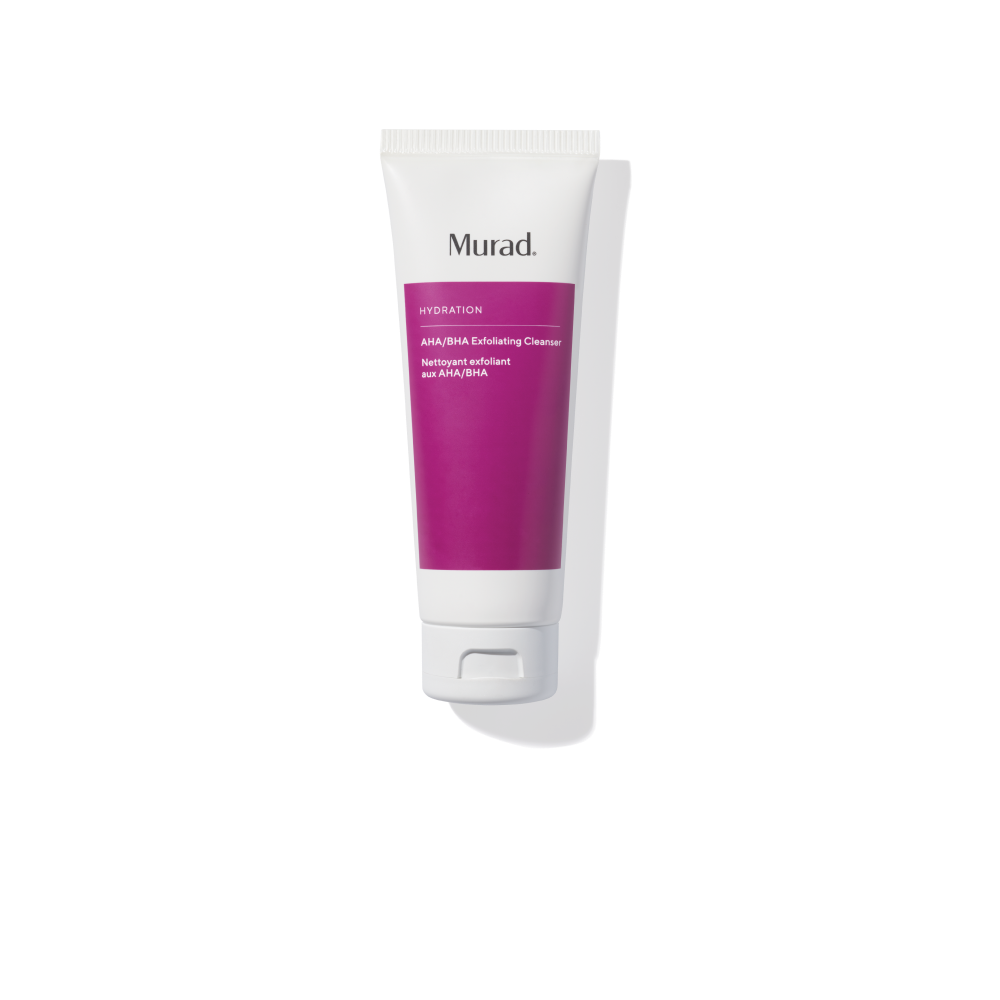
AHA/BHA Exfoliating Cleanser
The benefits of exfoliation in the convenience of a cleanser! Creamy exfoliating cleanser helps reveal smoother skin
$37.00 | 5.0 FL. OZ. -

Retinal ReSculpt Overnight Treatment
Visibly lifts neck/jowl sagging, smooths deep-set wrinkles + crepey skin.
$105.00 | 1.0 FL. OZ. -
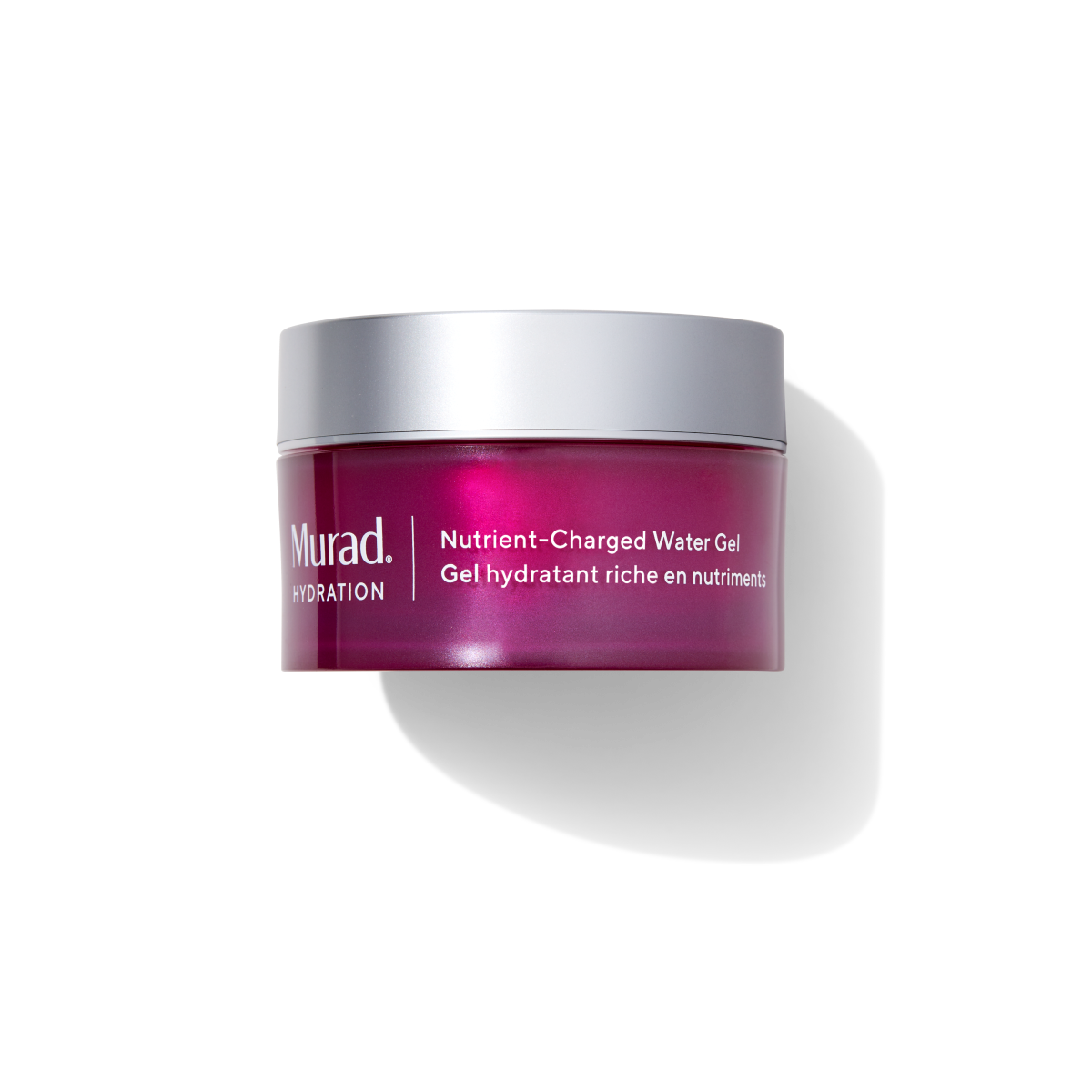
Nutrient-Charged Water Gel
Water-light, oil-free gel moisturizer instantly hydrates, plumps and locks in moisture.
$52.00 | 1.7 FL. OZ. -
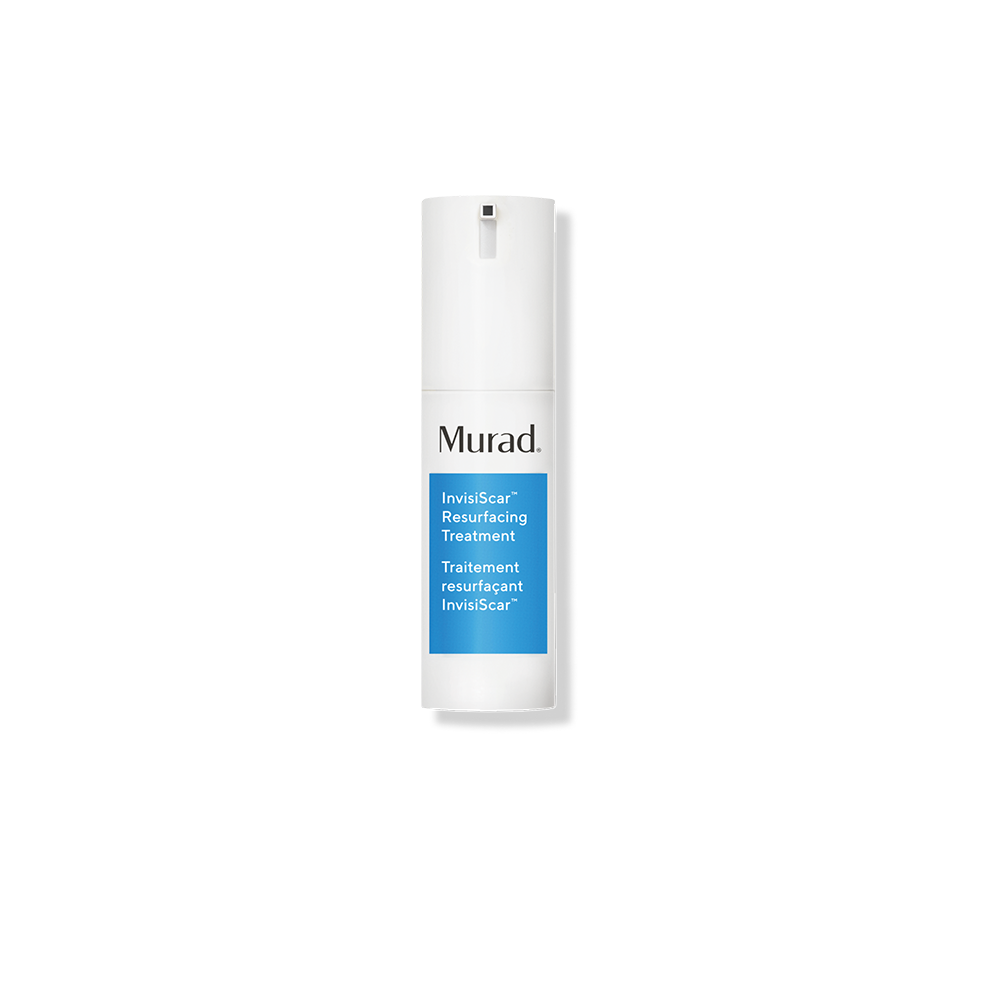
InvisiScar Resurfacing Treatment
Minimizes the look of post-acne scars in 8 weeks.
$39.00 | 0.5 FL. OZ.


