




Two top dermatologists reveal how to treat acne scars once and for all

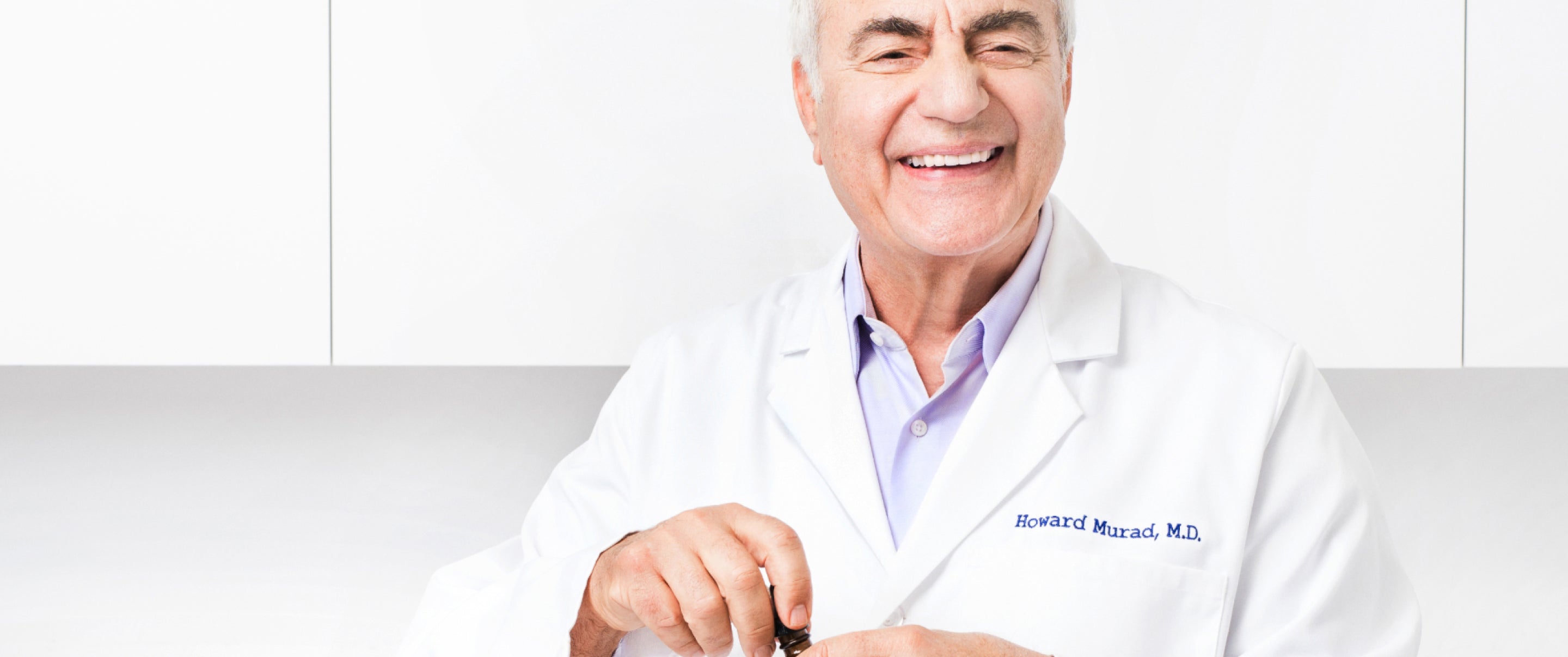
Acne scars can often haunt us as reminders of past acne battles. Whether you're searching for the best acne scar treatment or wondering how to get rid of acne scars effectively, thankfully, with the right combination of treatments and expert guidance tailored to your specific skin’s needs, you can treat acne scars and restore your complexion to its former glory. Below, board-certified NYC cosmetic dermatologist Michele Green, MD, and Murad founder and board-certified dermatologist Dr. Howard Murad break down the different acne treatment options and how they work.
First Steps in Treatment
There are two main types of acne scars: hypertrophic which are raised, and atrophic, which result in a depression in the skin, Dr. Green explains. Generally, raised and depressed acne scars are difficult to treat and require in-office procedures to achieve even skin texture and long-lasting results.
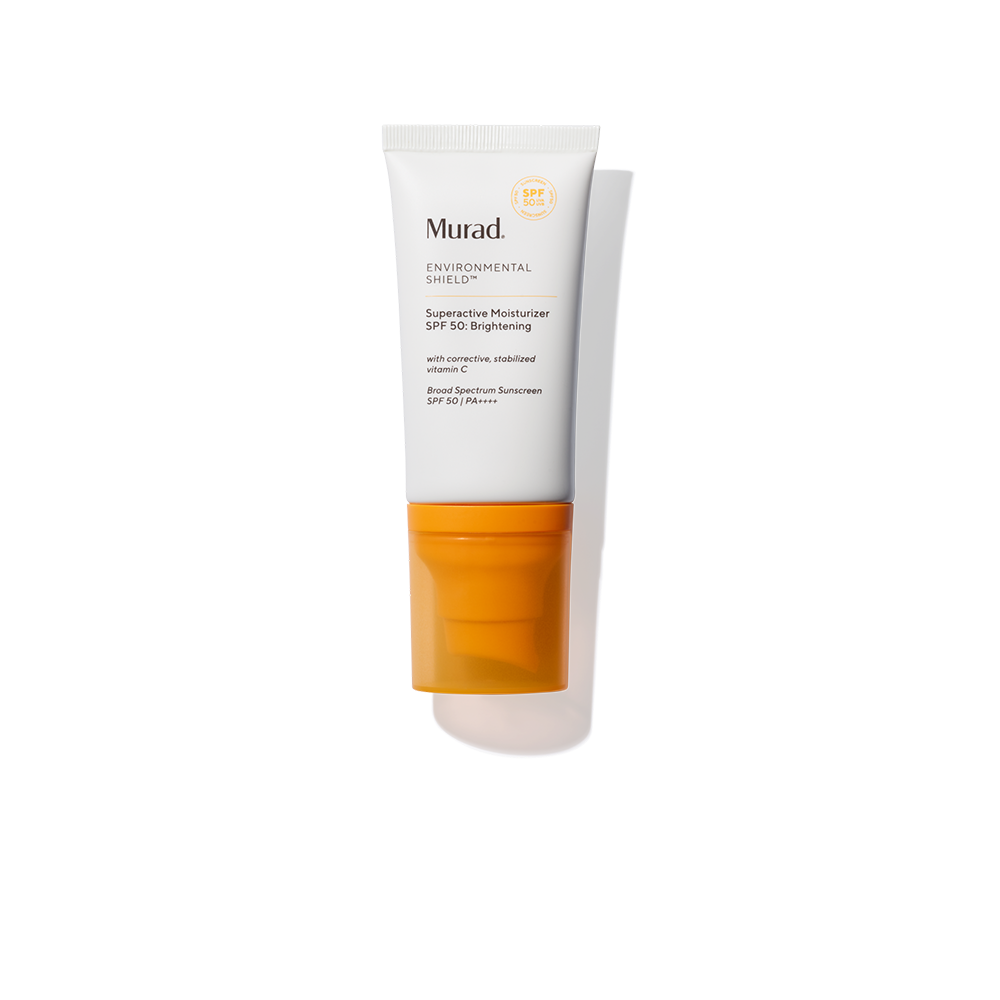
That said, some people experience discoloration or dark spots, known as post-inflammatory hyperpigmentation (PIH), after a breakout has healed. For these types of acne scars, targeted dark spot treatments are often more effective than general acne scar cream options. These specialized formulations typically combine brightening agents like vitamin C, hydroquinone, and glycolic acid to work on stubborn discoloration. The concentrated approach of dedicated dark spot correctors can deliver faster, more noticeable results than single-ingredient treatments, making them particularly valuable for those wondering how to get rid of acne scars from hyperpigmentation. For these types of acne scars, Dr. Murad recommends products with vitamin C which can help fade acne scars and other dark spots. He also emphasizes that unless you wear sunscreen regularly, those hyper-pigmented areas can return.
For deeper textural scarring, incorporating retinol into your routine can help improve skin texture and reduce the appearance of scarring over time, though results may take several months of consistent use.
So when acne scarring appears, Dr. Green's first piece of advice is straightforward: Consult with a dermatologist. “Acne scars can be incredibly hard to get rid of on your own,” she says. They’ll be able to guide you to the best treatment option for your skin type, type of acne scars, and their severity. Visible improvements may take time and require multiple sessions and a combination of treatments.
Professional Treatments: The Best Acne Scar Treatment Options
Laser Treatments
Laser treatments are one of the most effective ways to treat acne scars. “Noninvasive laser resurfacing treatments such as the Fraxel or eMatrix lasers work to stimulate new collagen production to smooth out skin texture and improve the appearance of atrophic scars,” Dr. Green says. These types of treatments have mild side effects (redness and swelling), minimal downtime, and require three to five treatments a few weeks apart to achieve the desired results. It’s vital that the correct laser treatment and settings are used based on your skin type, tone and acne scars. So, Dr. Green emphasizes the importance of having laser treatments performed by a board-certified dermatologist.
Subcision With Dermal Fillers
Subcision with dermal fillers is another treatment option for acne scars. It uses a needle to break up the scar tissue underneath the skin. “The filler is then injected into the scar to replenish lost volume and smooth the skin’s surface,” Dr. Green explains. The results are immediate and best visible after a week or so after the treatment once swelling subsides. And depending on the type of filler used, results can last 6-18 months.
Microneedling
Fillers may not be the best option for everyone in which case microneedling is another way to go if it’s a good fit for your skin. It works by creating “micro-injuries” along the skin which stimulates the natural wound-healing process and collagen production, Dr. Green says. The results may show after one session but full results may require multiple treatments a month apart. Common side effects include mild redness, swelling, dryness and flaking. Again, it’s crucial that you consult with a professional to prevent adverse effects.
Chemical Peels
Chemical peels are another type of resurfacing treatments that can help treat acne scars. They use chemical exfoliation to increase cell rate turnover and stimulate collagen production, Dr. Green explains. The strength of chemical peel is determined by your skin type and side effects can include dryness and flaking for a week after the peel. Results are gradual and may not be visible right away. Typically, Dr. Green says three to six treatments are recommended depending on the severity of acne scars.
Frequently Asked Questions
Q: What's the difference between acne scar cream and targeted dark spot treatments?
A: While general acne scar cream may contain basic ingredients, targeted dark spot treatments typically combine multiple powerful brightening agents for more effective results. These specialized formulations work more efficiently on post-inflammatory hyperpigmentation and discoloration from acne scars.
Q: How long does it take to see results when learning how to get rid of acne scars?
A: Results vary for everyone depending on the severity of scarring, skin type, and treatment method chosen. For dark spots and hyperpigmentation, targeted treatments may show improvement in 4-8 weeks. Professional treatments like laser therapy typically show results after 3-5 sessions spaced weeks apart, while deeper textural scars may take several months to improve.
Q: What's the best acne scar treatment for dark spots vs textural scars?
A: For dark spots and hyperpigmentation, targeted dark spot correctors with ingredients like vitamin C, hydroquinone, and glycolic acid are most effective. For textural scars (indented or raised), professional treatments like laser therapy, microneedling, or chemical peels are typically necessary.
The views expressed in this article do not necessarily represent the views of Murad, and are for informational purposes only, even if the advice of physicians and medical practitioners are included. This article is not a substitute for professional medical advice, diagnosis or treatment, and should not be considered specific medical advice.
Shop This Article
-
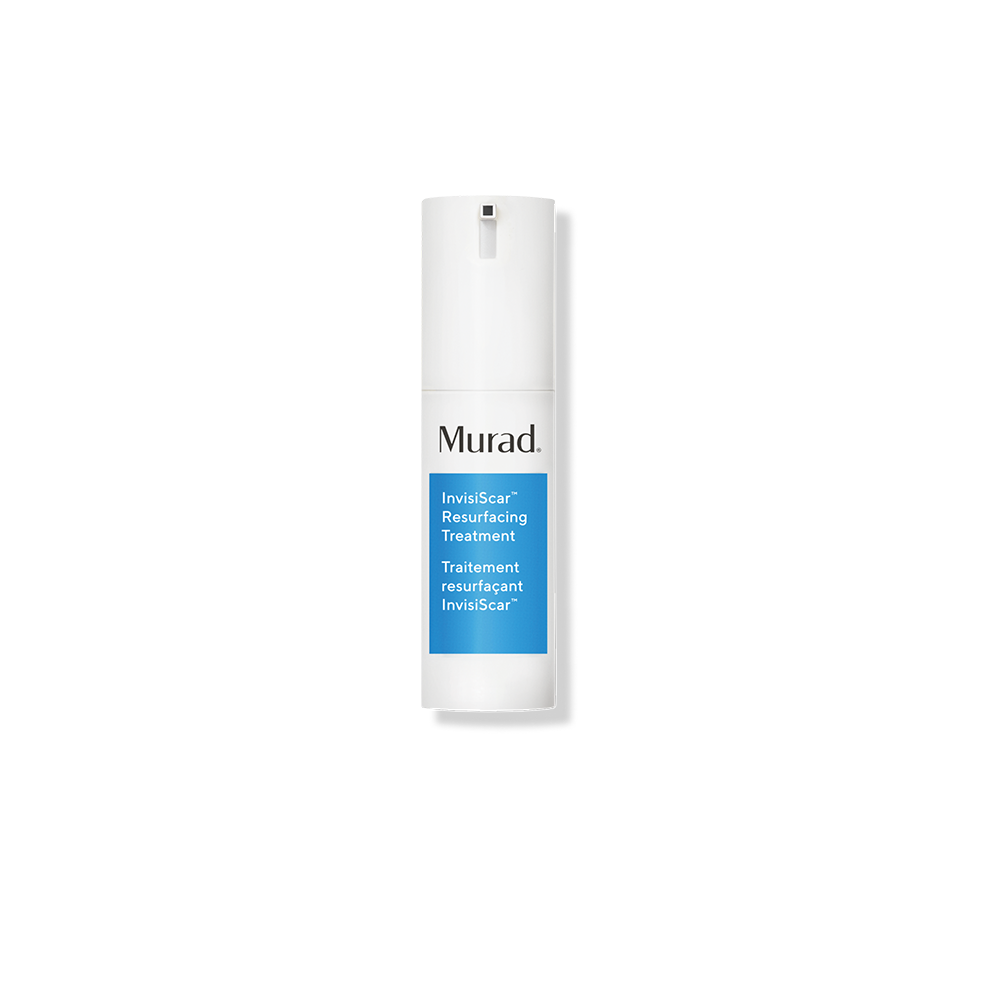
InvisiScar Resurfacing Treatment
Minimizes the look of post-acne scars in 8 weeks.
$27.30 | 0.5 FL. OZ. -
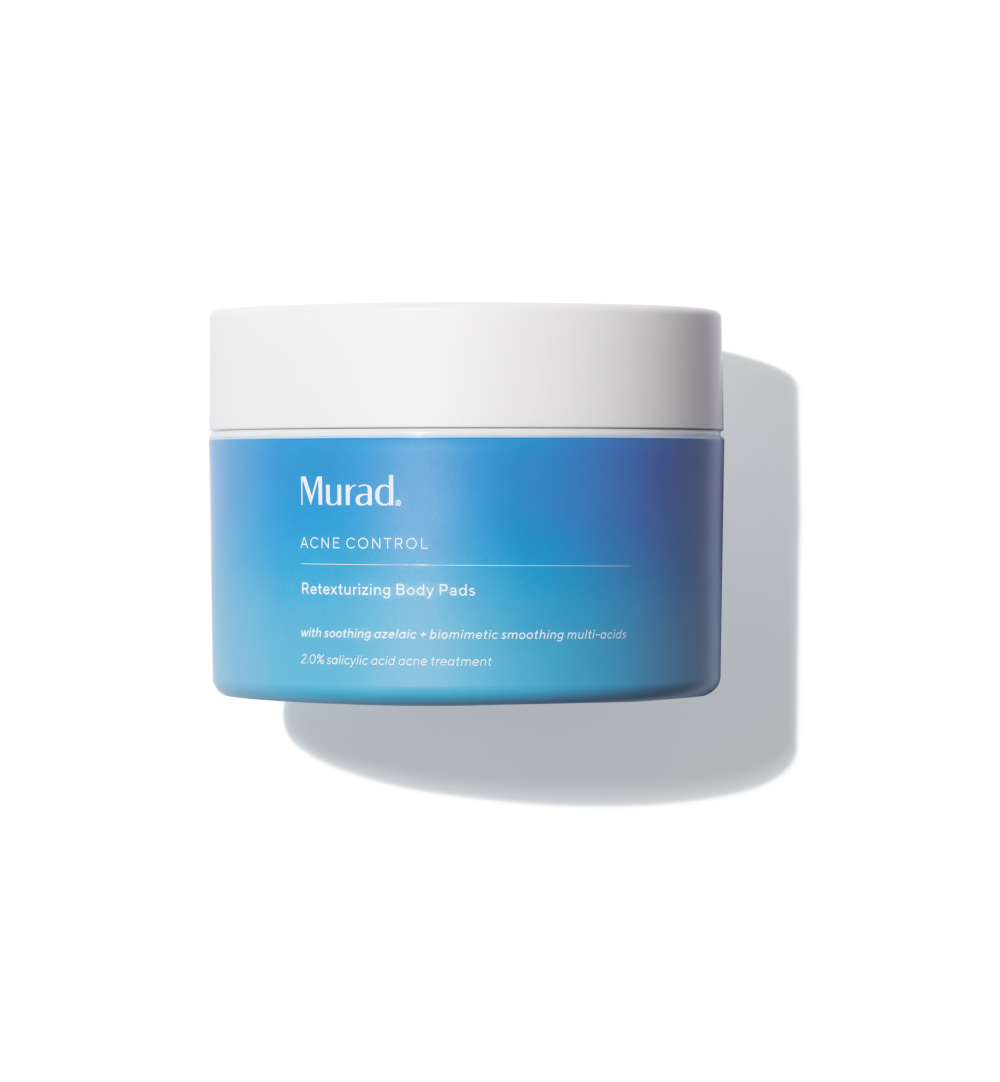
Retexturizing Body Pads
Super smoothing, acne-fighting body treatment swiftly wipes out breakouts, KP and ingrown hairs — all while soothing inflamed skin
$35.10 | 45-Pack -
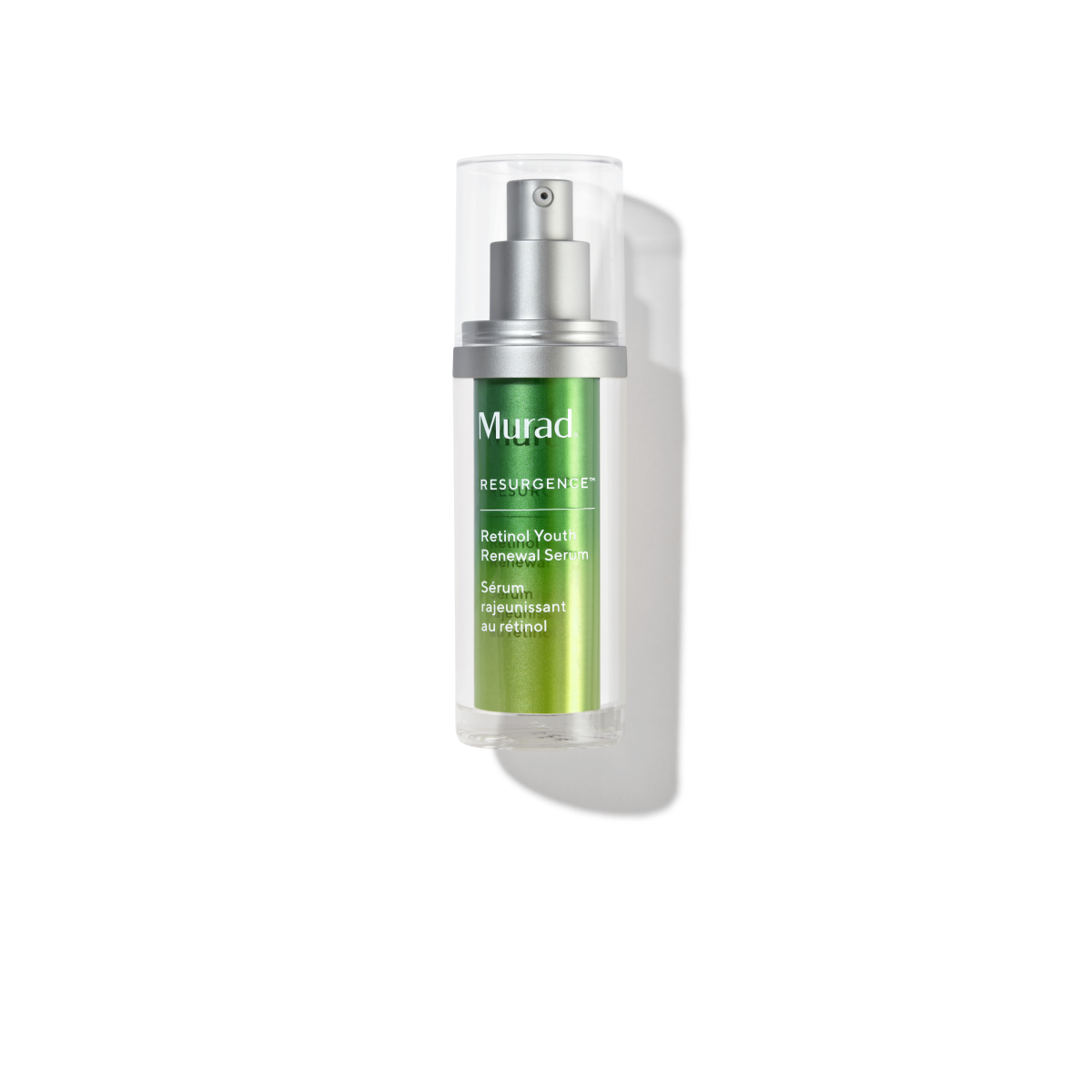
Retinol Youth Renewal Serum
Fast-acting serum with 3 retinol technologies visibly improves key signs of aging in just 2 weeks. Gentle enough for nightly use
$92.00 | 1.0 FL. OZ.


